
Negative Pressure Wound Therapy (NPWT), often referred to as vacuum-assisted wound closure, is a specialized medical treatment used to accelerate the healing of chronic, acute, or complex wounds. Alpine Skilled Nursing and Rehabilitation offers negative pressure wound therapy in Ruston, LA. NPWT is a vital component of our comprehensive wound care program. This advanced therapy utilizes a vacuum pump, a specific dressing, and a collection canister to create a controlled, pressurized environment around the wound site. By applying sub-atmospheric pressure, we can manage difficult-to-heal injuries, providing our residents with an evidence-based pathway toward recovery and comfort.
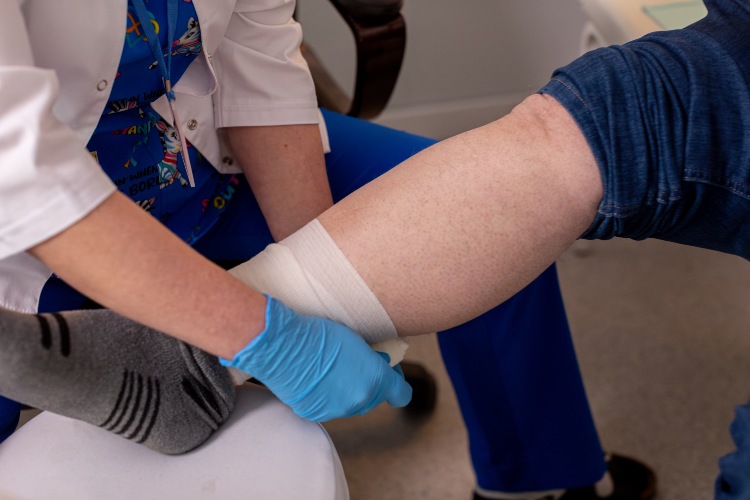
Negative Pressure Wound Therapy in Ruston, LA
How Negative Pressure Wound Therapy Functions
The science behind NPWT treatment involves several synchronized clinical mechanisms designed to optimize the healing environment. If you have questions about NPWT therapy, we always offer information for families making decisions on care. Negative Pressure Wound Therapy functions in the following way:
- Application of the Therapy: A clinician carefully places a specialized foam or gauze dressing into the wound bed, which is then sealed with an airtight transparent film. A drainage tube connects this dressing to the vacuum pump.
- Removal of Wound Exudate and Fluids: The system continuously or intermittently draws out excess fluid (exudate) and infectious materials. This prevents the accumulation of fluids that can stall the healing process or lead to maceration of the surrounding skin.
- The Role of Negative Pressure: The vacuum creates a “pulling” force that draws the edges of the wound together, a process known as macrostrain. On a cellular level, it creates microstrain, which stimulates cell division and the formation of new tissue.
- Facilitation of Wound Healing: By removing barriers to recovery and physically stimulating the wound bed, NPWT encourages the development of granulation tissue, the pink, healthy tissue that fills in a wound as it heals.
What to Expect During Negative Pressure Wound Therapy
We understand that starting a new clinical treatment can feel overwhelming, but our compassionate team is here to guide you through every step. NPWT is administered in our comfortable and welcoming environment where residents feel empowered to gain strength. During NPWT, you will notice a small, portable pump nearby. When the therapy begins, you may feel a slight tugging or tightening sensation as the vacuum creates the seal, but this typically subsides quickly.
Our nursing staff will monitor the device regularly and change the negative pressure wound therapy dressing approximately two to three times per week. Throughout the process, we prioritize your comfort, ensuring pain management is addressed during dressing changes to make your experience as stress-free as possible.
The Benefits of NPWT for Chronic Wounds
Utilizing NPWT is an effective way to heal wounds faster and decrease swelling. Some of the most significant clinical advantages of NPWT include:
- Faster Wound Healing: By actively stimulating tissue growth and closing the wound gap, NPWT often results in faster recovery times than traditional dressings.
- Decreased Swelling: The vacuum helps remove interstitial fluid, reducing localized edema and improving the health of the surrounding skin.
- Reduced Risk of Infection: The sealed system protects the wound from external contaminants while constantly removing bacteria-laden fluids from the site.
- Enhanced Blood Flow: The localized pressure promotes vasodilation, bringing oxygen-rich blood and essential nutrients directly to the area that needs it most.
- Greater Patient Comfort and Better Outcomes: Because dressings are changed less frequently than traditional bandages, there is less disruption to the wound bed and improved overall quality of life.
Why Choose Us for Negative Pressure Wound Therapy?
At Alpine Skilled Nursing and Rehabilitation, we combine advanced technology with a gentle, patient-centered approach. Our clinical team is highly trained in the latest NPWT protocols, ensuring that your treatment is both safe and effective. We don’t just treat the wound. We care for the whole person, coordinating with nutritionists and physical therapists to support your total recovery. Contact our admissions team today to schedule a tour and learn more about our advanced wound care services.
Frequently Asked Questions
- Is NPWT Painful? – While you may feel a firm pressure when the pump is first turned on, the therapy itself is generally not painful. Our staff uses specialized techniques during dressing changes to ensure you remain comfortable.
- Can I Move Around While Using the NPWT Pump? – Most modern NPWT units are portable and battery-operated, allowing you to move around your room or the facility without interrupting your treatment.
- How Long Does NPWT Treatment Usually Last? – The duration varies depending on the severity and type of the wound. Some residents see significant improvement within a few weeks, while more complex chronic wounds may require longer therapy.
- How Do I Know if the Vacuum Seal Is Working? – The dressing will appear shrunken and raisin-like when the vacuum is active. Our pumps also feature smart alarms to alert our nursing staff immediately if there is a leak in the seal.